Rispri LabsENGINEERING A CIRCULAR FUTURE

TECHNOLOGY SEGMENT / 04

15 technologiesReady level 6 to 9

Resource recovery and waste to value.
Salt, solvent, metal, energy and fuel.

Ways to turn waste into money: clean salt from ZLD, solvents and metals from wastewater, fertiliser from ash, and fuel and heat from waste.

PROVEN TECHNOLOGIESDelivered by Rispri Labs
Resource recovery and waste to value

Problem 01

Getting salt, solvents and metals back from wastewater.

Zero liquid discharge (ZLD) means no wastewater leaves the factory. But it leaves behind mixed salt that must be stored as hazardous waste. Getting clean salt, solvents and metals back turns some of that cost into money. Read the guide →

Ready: level 9 of 9Factory

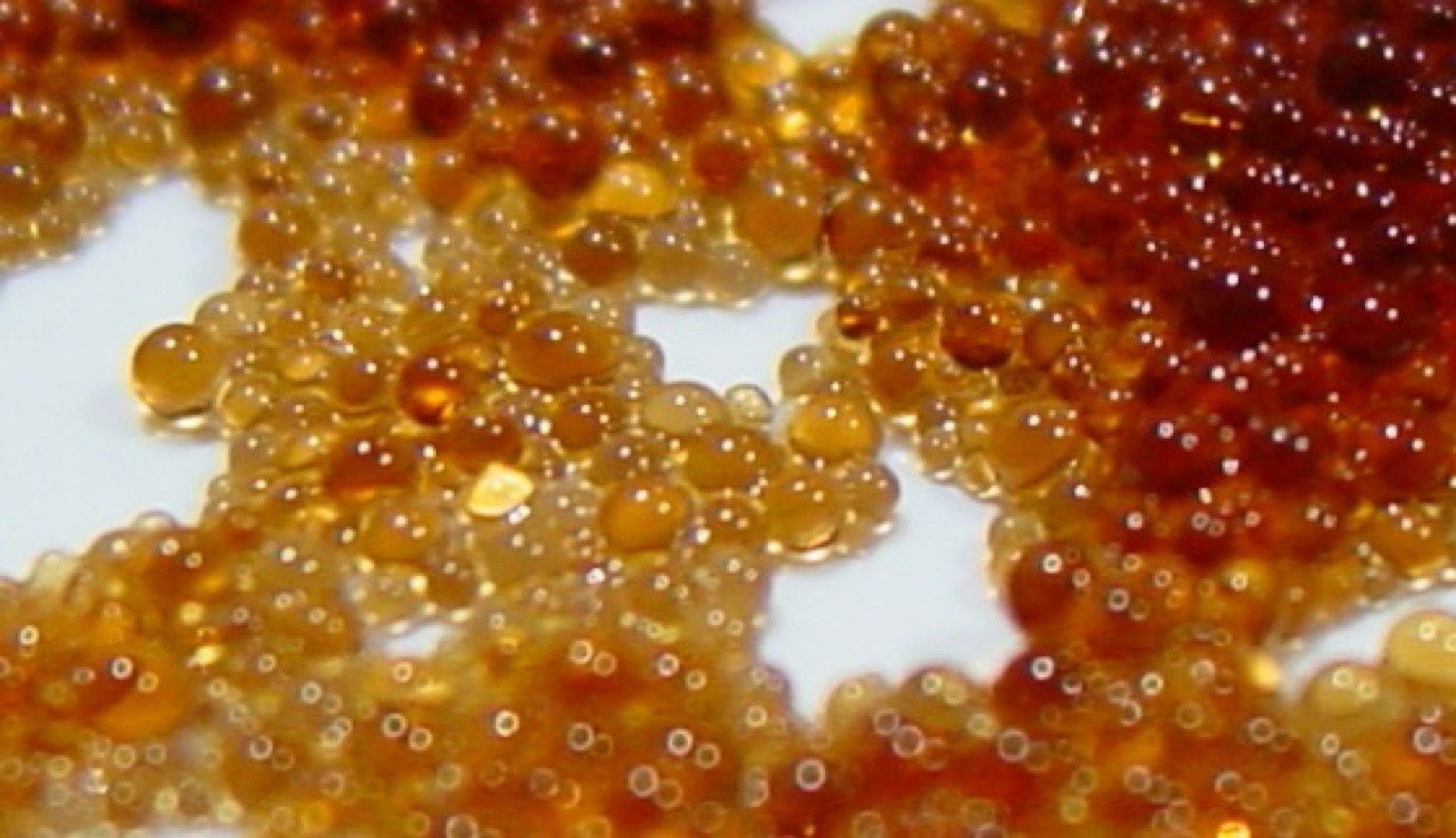
Clean salt back from tannery and dyeing wastewater

The problem
Your ZLD plant leaves tonnes of mixed salt every month that you cannot sell or dump.
How it works
The salty water is treated in steps so common salt and Glauber's salt (sodium sulphate) come out separately and clean.
What it has achieved
Both salts are over 98.5% pure, good enough to reuse or sell.
See full details
Ready: level 9 of 9Factory

Removing salt so steel plant water can be reused

The problem
Steel plant wastewater has too much chloride, which rusts pipes, to be reused.
How it works
NF membranes take out most of the chloride so the water can be reused.
What it has achieved
Removes 74% of chloride. 5,000 to 8,000 litres an hour.
See full details
Ready: level 6 to 8 of 9Factory

Getting costly solvents back from wastewater

The problem
Pharma and fibre plants lose expensive solvents into their wastewater, then pay again to treat it.
How it works
Membranes and an electric current separate the solvent from the salty water, then it is cleaned up for reuse.
What it has achieved
Over 90% of impurities removed. 4,000 to 7,500 litres per batch.
See full details
Ready: level 7 to 9 of 9Distillery

Potash fertiliser from distillery ash

The problem
Your distillery burns spent wash and is left with ash to dispose of.
How it works
The potassium in the ash is dissolved out and cleaned to make potash fertiliser that dissolves fully in water.
What it has achieved
Already running at a distillery.
See full details
Ready: level 7 of 9Factory

Pure metals back from sludge and used catalysts

The problem
Metal sludge and used catalysts are hazardous waste that cost money to get rid of.
How it works
The metals are dissolved out and purified into high-grade metals or battery materials.
What it has achieved
The products sell for more than ordinary scrap metal.
See full details
Ready: level 7 of 9Factory

Lac resin back from wash water

The problem
Lac processing loses resin into its wash water.
How it works
A simple separation step takes the lac resin back out of the wash water, with no filtering needed.
What it has achieved
All the resin recovered in tests.
See full details
Ready: level 9 of 9Salt pans

More salt from salt pans

The problem
Salt pans lose output because the brine dries too slowly.
How it works
A set of methods makes the brine dry faster, so more and better salt is harvested.
What it has achieved
Pays back in about 3.5 years.
See full details

Problem 02

Water treatment materials made from waste.

Chemicals and filter materials for water treatment can be made from factory or farm waste instead of being bought. Read the guide →

Ready: level 6 of 9Factory

Alum from aluminium waste

The problem
Aluminium units dump their dross (waste), while water plants buy alum.
How it works
The aluminium waste is turned into alum, the chemical used to settle mud in water.
What it has achieved
Designed for factory-scale production with no waste left over.
See full details
Ready: level 7 of 9Drinking water and wastewater

Natural water clearing powder from moringa seeds

The problem
Chemical water clearers leave residue and add to sludge.
How it works
A protein taken from moringa (drumstick) seeds makes fine mud clump together and settle.
What it has achieved
Less sludge than chemical clearers.
See full details
Ready: level 7 to 8 of 9Factory

Activated carbon from rice husk and jute waste

The problem
Activated carbon for water filters is costly and often imported.
How it works
Leftover rice husk material or jute sticks are heated and treated to make activated carbon.
What it has achieved
Nothing is wasted in the process.
See full details
Ready: level 6 of 9Town or market yard

Compost from water hyacinth

The problem
Water hyacinth covers the lake, and the weed pulled out rots on the bank.
How it works
The weed and other plant waste are composted quickly in closed pits into rich manure for soil.
What it has achieved
1 to 10 tonnes a day. Pays back in about 5 years.
See full details

Questions

Frequently asked questions.

How do I pick the right technology?

Start with a test of your water. Our NABL-accredited lab checks the sample, then our engineers shortlist the methods on this page that suit your problem, the amount of water, your budget and your site.

What does the ready level mean?

It shows how far a technology has come, on a scale of 1 to 9. Level 6 means a working model has been tested in real conditions, and level 9 means it is already in use. Every technology here is level 6 or higher.

Can we try it before building a full plant?

Yes. Most of these can be tried on a small scale with your own water first, so you see results before you invest.

THE NEXT STEP

Not sure which
one you need?

Send us a water sample or a test report. We will tell you which proven method fits and what it costs to run.

Discuss your problem