Rispri LabsENGINEERING A CIRCULAR FUTURE

TECHNOLOGY SEGMENT / 06

9 technologiesReady level 6 to 9

Water testing and pure water.
Field tests, sensors, dialysis water.

Ways to test water on the spot, monitor it remotely, and make very pure water for dialysis, labs and industry.

PROVEN TECHNOLOGIESDelivered by Rispri Labs
Water testing and pure water

Problem 01

Testing water on the spot.

You cannot fix what you have not measured. These kits and sensors give results on the spot, without sending samples to a faraway lab. Read the guide →

Ready: level 7 of 9Field

Water testing kit for the field

The problem
A field team needs to know the same day if a water source has germs or common chemicals.
How it works
A kit with ready chemicals tests for germs from sewage, pH, salt, hardness, fluoride, iron, nitrate and arsenic.
What it has achieved
Anyone can do the germ test.
See full details
Ready: level 6 of 9Field

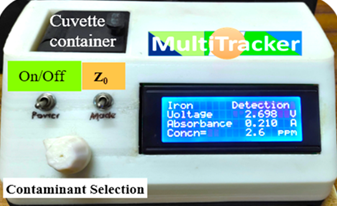
Phone-based test for heavy metals

The problem
Testing for heavy metals usually needs an expensive lab machine.
How it works
A test liquid changes colour when metal is present.
What it has achieved
Results in seconds, shared straight away.
See full details
Ready: level 9 of 9Coast or reservoir

Robot that checks sea water at every depth

The problem
Sea and lake water changes with depth, and sampling from a boat is costly.
How it works
A small robot moves up and down through the water on its own and records readings at every depth.
What it has achieved
Already in regular use.
See full details
Ready: level 9 of 9Factory

Moisture sensor for industrial gases

The problem
Moisture in factory gases damages machines and products.
How it works
A ceramic sensor measures how damp a gas is, even very small amounts, at up to 150 °C.
What it has achieved
Performs as well as a leading imported sensor.
See full details

Problem 02

Very pure water for dialysis and labs.

Dialysis centres and labs need water much cleaner than drinking water. Imported systems are costly to buy and to keep running. Read the guide →

Ready: level 7 of 9Hospital

Water plant for dialysis made in India

The problem
A dialysis centre relies on an imported water system that is costly to run and slow to repair.
How it works
A compact membrane plant makes very pure water for dialysis, built to replace imported units.
What it has achieved
Water purity below 1 µS/cm at about 10 paise a litre. 100 to 500 litres an hour.
See full details
Ready: level 6 of 9Lab

Pure water without acid and alkali

The problem
Labs have to recharge their pure water resin with acid and alkali.
How it works
An electric current and special membranes remove the last bits of salt all the time, so no chemicals are needed.
What it has achieved
No chemical waste. Costs less than imported lab systems.
See full details
Ready: level 7 to 8 of 9Home or shop

Low-cost alkaline water machine

The problem
Imported alkaline water machines are expensive.
How it works
Special membranes and rust-free plates split water into an alkaline part and an acidic part.
What it has achieved
25 to 50 litres an hour at a small part of the imported price.
See full details

Questions

Frequently asked questions.

How do I pick the right technology?

Start with a test of your water. Our NABL-accredited lab checks the sample, then our engineers shortlist the methods on this page that suit your problem, the amount of water, your budget and your site.

What does the ready level mean?

It shows how far a technology has come, on a scale of 1 to 9. Level 6 means a working model has been tested in real conditions, and level 9 means it is already in use. Every technology here is level 6 or higher.

Can we try it before building a full plant?

Yes. Most of these can be tried on a small scale with your own water first, so you see results before you invest.

THE NEXT STEP

Not sure which
one you need?

Send us a water sample or a test report. We will tell you which proven method fits and what it costs to run.

Discuss your problem