SAFE DRINKING WATER / 08
Ceramic filter plant for heavy arsenic and iron.
For heavy arsenic and iron that clogs sand filters.
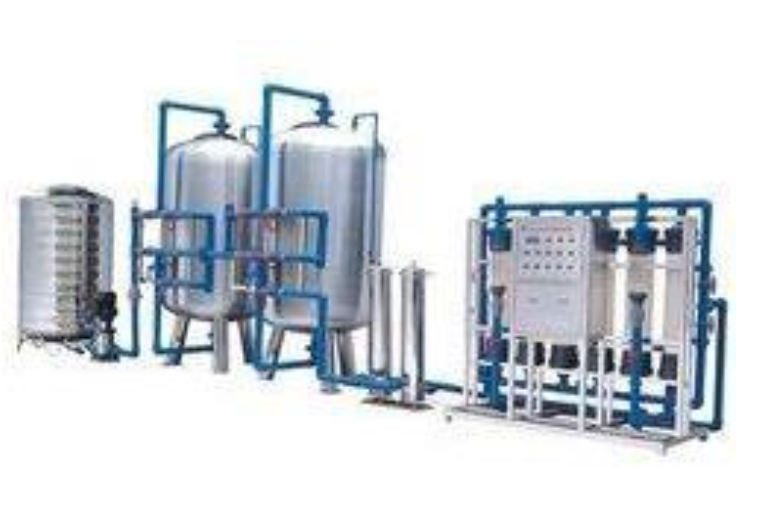
The water has very high arsenic and so much iron that sand filters clog within days. Iron and arsenic are first turned into tiny solid particles.
What it achieves
The key numbers.
plant size.
per litre of treated water.
arsenic in the treated water.
Problem and fix
The problem this solves.
- 01The problem
The water has very high arsenic and so much iron that sand filters clog within days.
How it is fixedIron and arsenic are first turned into tiny solid particles. Then ceramic filter tubes with very small holes hold the particles back. The arsenic waste is locked in a solid block so it cannot leak out.
How it works
Step by step.
- 1
Oxidise
Iron and arsenic are turned into tiny solid particles.
- 2
Capture
A prepared medium binds the arsenic.
- 3
Filter
Ceramic tubes with very small holes hold back all particles.
- 4
Lock away
Arsenic waste is sealed in a solid block for safe disposal.
Key features
Why it works well.
Arsenic below 10 µg/L and iron below 0.3 mg/L. Up to 10,000 litres an hour, at about 10 paise a litre.
- Handles very dirty waterTreats 1 to 1.5 mg/L arsenic with 10 to 15 mg/L iron.
- Ceramic filters lastStrong, heat-proof and easy to clean by backwash.
- Safe wasteArsenic sludge is locked away, not dumped.
- Iron-only useWorks as an iron plant where there is no arsenic.
At a glance
The details.
| Output | Up to 10,000 litres an hour |
|---|---|
| Results | Arsenic below 10 µg/L, iron below 0.3 mg/L |
| Running cost | About 10 paise a litre |
| Can feed | An RO plant, as pre-treatment |
| Ready level | Level 9 of 9 (already in use) |
| Scale | Town or factory |
Costs are indicative and change with your water, site and plant size. We confirm them after testing a sample.
Where it is used
Who it is for.
- Towns
- Industries on groundwater
- Mining areas
Questions
Frequently asked questions.
Is this technology proven?
Yes. It is at ready level 9 of 9, which means: already in use. Arsenic below 10 µg/L and iron below 0.3 mg/L. Up to 10,000 litres an hour, at about 10 paise a litre.
What does it cost to run?
About about 10 paise a litre. The exact figure depends on your water and the size of the plant. We confirm it after testing a sample.
Can we try it on our own water first?
Yes. We test a sample in our NABL-accredited lab and, where it helps, run a small trial on your site before you invest in a full plant.
Do you supply and install it?
Yes. We design, supply, install and start up the system, train your staff, and our lab checks the treated water.
Arsenic and fluoride in borewell water
Other ways to fix this problem.
THE NEXT STEP
Fix it on
your own site.
Send us a water sample or a test report. We will check it, confirm this method fits and tell you what it costs to run.
Discuss your problem