Waste audits and characterisation
Know exactly what you generate before you invest.
- Composition and quantity studies
- Calorific value and moisture testing
- Baseline for SWM Rules 2026 reporting
RISPRI SOLUTIONS / 05
Waste audits, material recovery, wet waste processing and legacy dumpsite remediation, designed to meet the Solid Waste Management Rules 2026.
Why it matters now
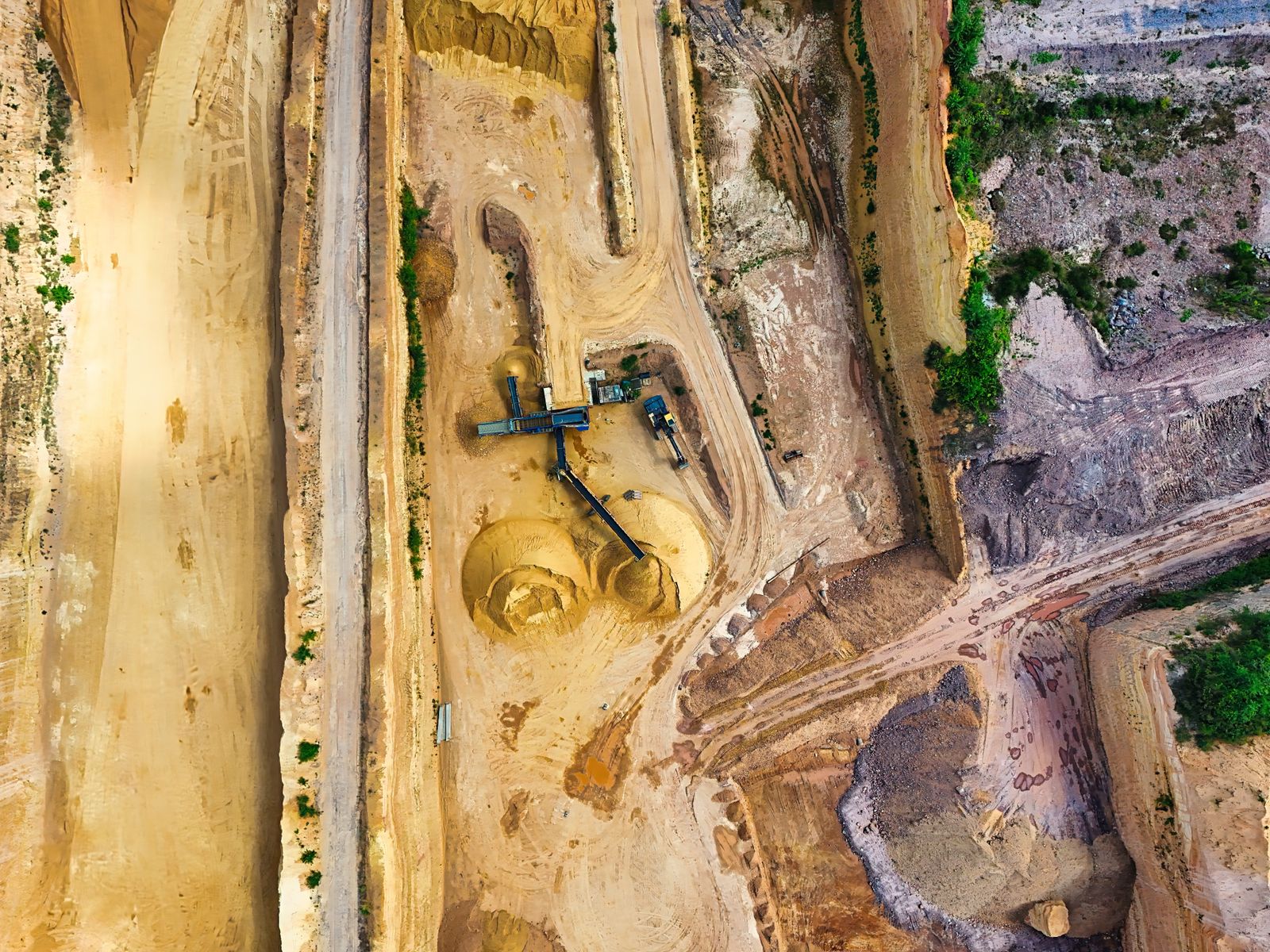
India generates about 1.6 lakh tonnes of municipal waste a day, and only half of it is treated. The Solid Waste Management Rules 2026, in force since 1 April 2026, require four stream segregation, make bulk waste generators responsible for their own waste and allow only inert, non recyclable waste into landfills.
Sources: CPCB, Annual Report on Solid Waste Management 2020-21; PIB, Solid Waste Management Rules 2026; DD India, Legacy dumpsite remediation (2026).
Challenge and response
Mixed waste is no longer accepted at landfills.
Four stream segregation plans with bins, signage and staff training.
Bulk generators must now process their own waste.
On-site composting, biomethanation or tie-ups with registered processors.
Old dumpsites block valuable land.
Biomining separates soil, recyclables and RDF so land can be reclaimed.
Hazardous residues and sludge need safe disposal.
TCLP and leachate testing in our lab and routing to authorised facilities.
What we deliver
Know exactly what you generate before you invest.
Sort dry waste into saleable streams.
Treat organic waste where it is produced.
Turn non recyclable dry waste into fuel.
Clear old dumpsites and recover land.
Keep risky residues out of the environment.
How we work
Waste quantity, composition and current practice.
Segregation, processing and buyer or disposal routes.
Equipment, layout, approvals and budget.
Supply, installation and staff training.
Monitoring and compliance reporting on the central portal.
Standards and regulations
Every design, product and report is prepared against the regulations and standards that apply to your site.
Where it fits
Why Rispri
Our accredited laboratory tests the water, sizes the process and verifies results after start-up. No hand-offs between vendors.
Designs proven on real sites since 1999, from compact STPs for hotels to industrial ETP, RO and ZLD systems.
We design to CPCB and SPCB limits with margin, and plan for OCEMS, CGWA and reuse rules from the first drawing.
Chemicals, genuine spares, operator training and O&M contracts keep the plant performing for years.
Questions
Large premises such as big housing societies, campuses, hotels, hospitals, markets and offices that produce waste above the thresholds set in the rules. They must segregate, register and process or hand over their waste to registered processors.
Yes. Our laboratory measures composition, moisture, calorific value and, for hazardous residues, TCLP and leachate. The results decide the right process and size.
Soil like material can be used for filling and landscaping, recyclables go to recyclers, and combustible fractions are processed into RDF for cement kilns.
THE NEXT STEP
Tell us about your process, site, or sourcing requirement. Our team will help you identify a practical way forward.
Talk to our team